Tuesday, March 25, 2025

Heart Dissection Lab: Mr. Bradley’s Anatomy Class

(Submitted by CHS Junior, Cali Hendrickson)

This week in Mr. Bradley’s Anatomy class, students rolled up their sleeves and got an up-close look at one of the most important organs in the human body—the heart. As part of our cardiovascular system unit, as a class, we participated in a hands-on heart dissection to explore the structure and function of this powerful muscular pump.

The heart dissection lab aimed to:

  1. Identify and describe the external and internal anatomy of the heart.

  2. Understand the flow of blood through the heart and its major vessels.

  3. Compare the anatomy of a preserved heart to textbook diagrams.

External Heart Examination

Students began by observing the external structures of the heart. With guidance from Mr. Bradley, we located and identified major blood vessels connected to the heart:

  • Aorta – the large artery that carries oxygenated blood from the heart to the body

  • Pulmonary trunk – which splits into pulmonary arteries carrying deoxygenated blood to the lungs

  • Vena cava (superior and inferior) – veins bringing deoxygenated blood back to the heart

  • Pulmonary veins – carrying oxygenated blood from the lungs to the heart

The orientation of the heart was discussed, with students learning how to distinguish the front (anterior) and back (posterior) as well as the right and left sides.

Using Pencils to Explore the Ventricles

One of the most memorable and helpful parts of the lab was when Mr. Bradley instructed us to use pencils as tools to explore the ventricles of the heart.

  • Students carefully inserted pencils into the right and left ventricles to trace the path that blood would take through each chamber.

  • This helped clearly identify the openings to major vessels, such as the pulmonary artery from the right ventricle and the aorta from the left ventricle.

  • By placing the pencil through these structures, students could visualize how blood flows upward through the valves and out to the lungs or the body.

  • It also made it easier to differentiate the thicker-walled left ventricle from the right, reinforcing the idea that the left side must pump blood to the entire body.

Dissecting the Heart

Next came the most exciting part—cutting into the heart to view its internal structures.

  1. Initial Cut
    We used a scalpel or scissors to make a longitudinal incision along the right side of the heart, revealing the right atrium and right ventricle. They identified the tricuspid valve, which prevents backflow of blood between these chambers.

  2. Left Side Exploration
    A second incision on the left side revealed the left atrium and left ventricle. Here, students located the bicuspid (mitral) valve and observed the thicker muscular wall of the left ventricle, built to pump blood throughout the entire body.

  3. Valves and Chordae Tendineae
    We examined the valves that direct blood flow and the chordae tendineae—string-like tissues anchoring the valves to the heart walls. These structures ensure that valves open and close properly during contractions.

  4. Tracing Blood Flow
    As we explored, we traced the path of blood through the heart:

    • Deoxygenated blood enters the right atrium via the vena cava

    • Moves to the right ventricle and exits through the pulmonary arteries to the lungs

    • Oxygenated blood returns via pulmonary veins to the left atrium

    • Then moves into the left ventricle and exits through the aorta to the body

Conclusion

Mr. Bradley’s heart dissection lab was a hands-on success, giving us a literal and educational look into the heart of the circulatory system. Not only did we walk away with a greater appreciation for this vital organ, but they also built a stronger understanding of how form supports function in human anatomy.

Monday, March 10, 2025

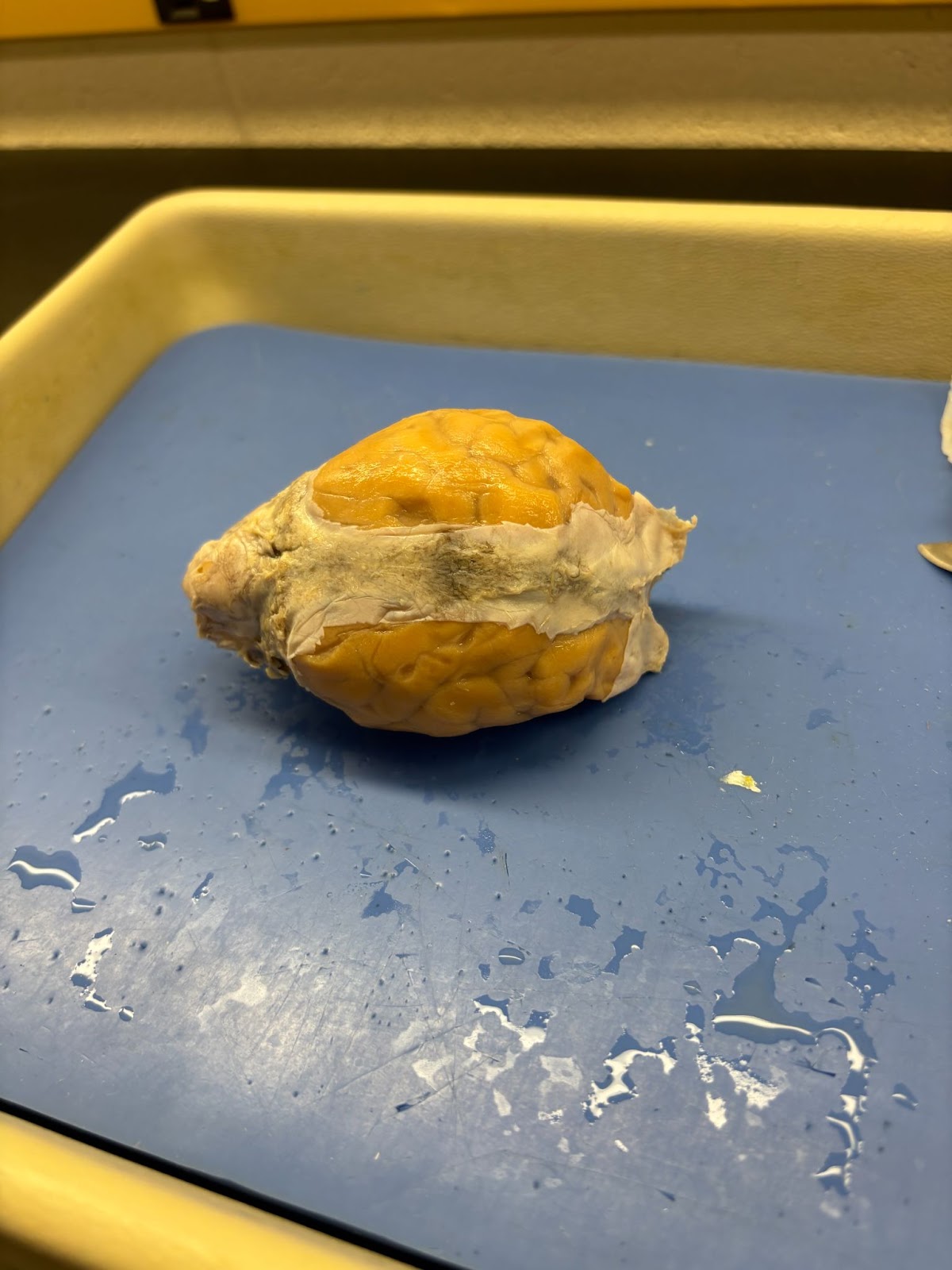
Anatomy Class Dissects Sheep Brain


(Submitted by CHS Junior, Cali Hendrickson)
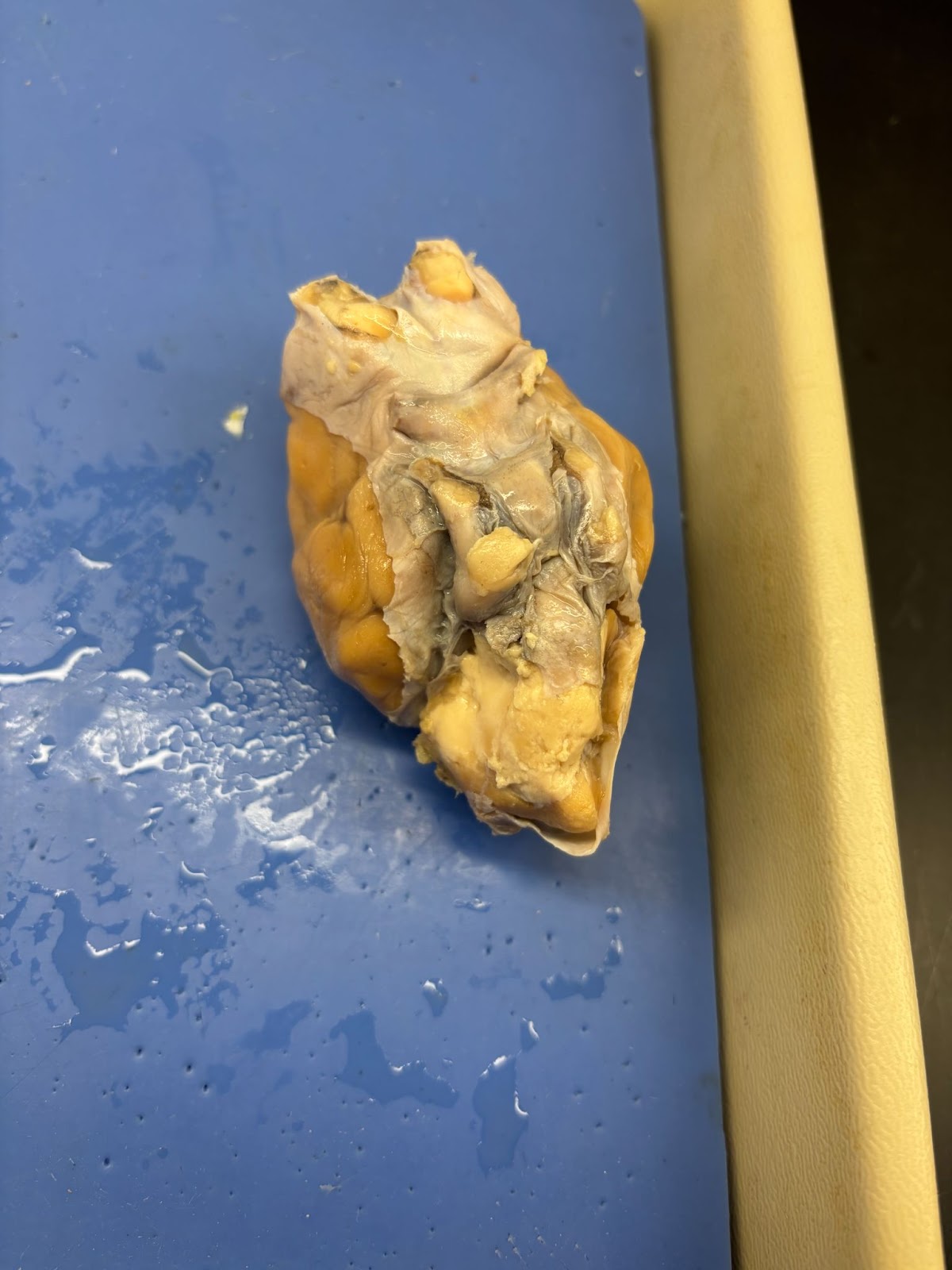
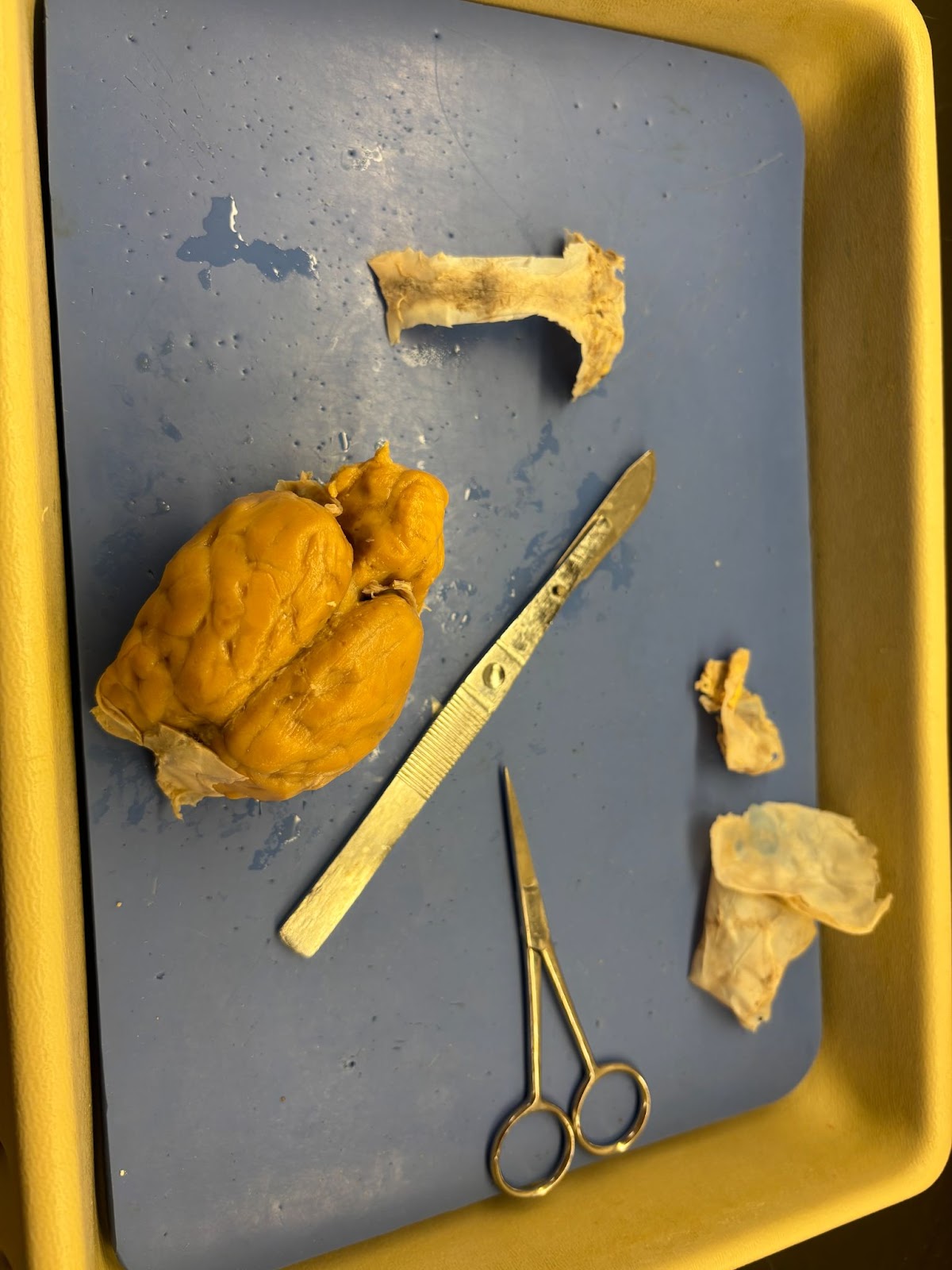
Sheep Brain Dissection: Mr. Bradley’s Anatomy class worked on an exciting journey into the inner workings of the brain with a hands-on sheep brain dissection. The objective was to identify and describe the principal structures of the sheep brain. This engaging activity offered students an opportunity to observe the complexity of the nervous system firsthand.
Examination of the Sheep Brain The dissection began with an external examination of the sheep brain. Interestingly, the sheep brain is quite similar to the human brain in structure but differs in size and orientation. The sheep brain is elongated with an anterior-to-posterior orientation, while the human brain is positioned more vertically.
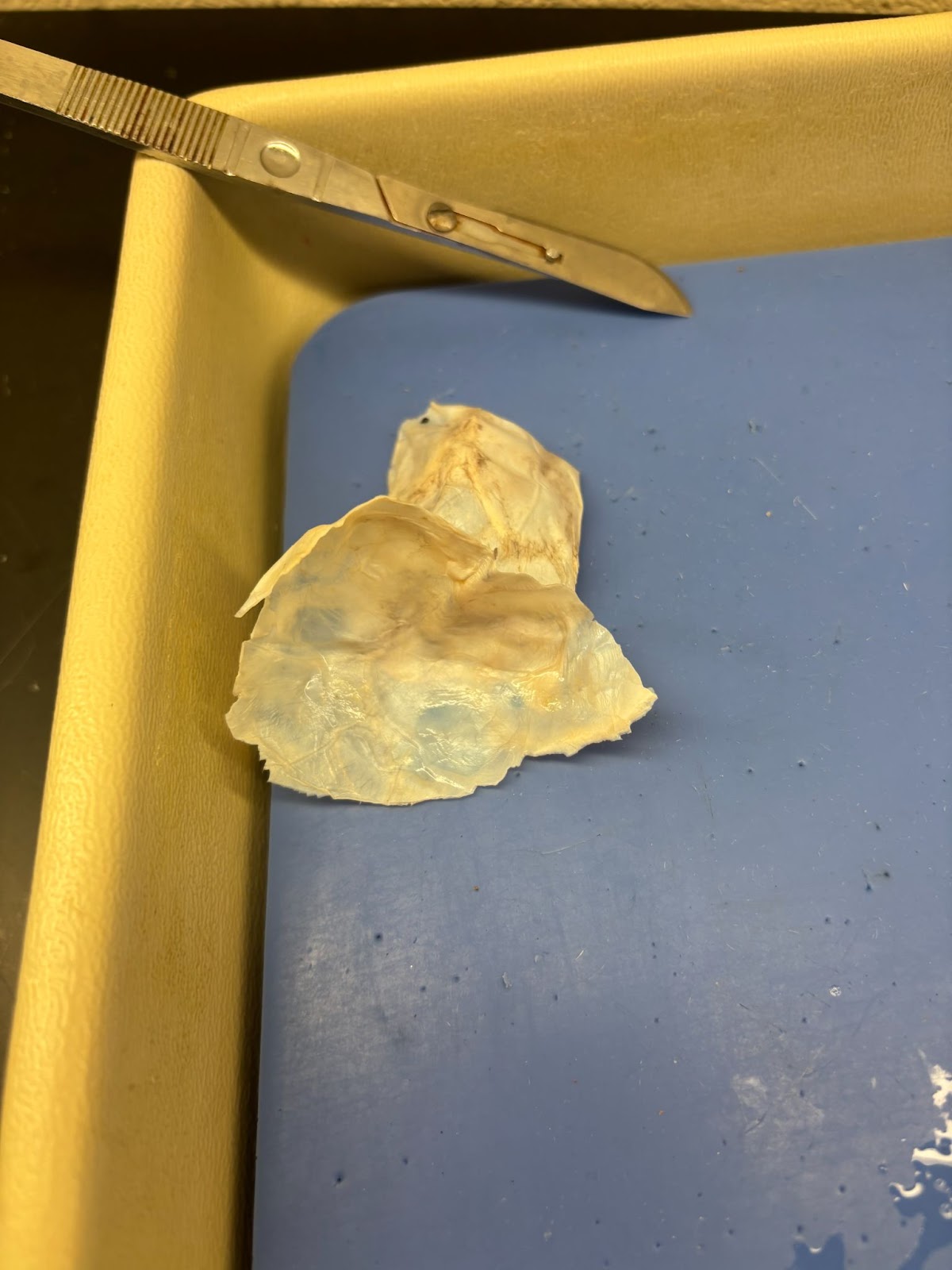
Dura Mater Removal The tough outer covering of the brain, known as the dura mater, was carefully removed. This membrane protects the brain but must be taken off to view the underlying structures.
Identification of the Cerebrum The cerebrum, the most prominent part of the brain, was observed. It is divided into two nearly symmetrical hemispheres by the deep longitudinal fissure.
Observation of the Gyrus and Sulcus The surface of the cerebrum is covered in folds known as gyri and grooves called sulci. These folds increase the surface area of the brain, allowing for more complex neural connections.
Cerebellum Examination At the back of the brain lies the cerebellum, responsible for balance and coordination. Its smaller gyri distinguish it from the cerebrum.
Exploring the Ventral Surface Turning the brain over revealed several crucial structures: -Optic Chiasma: An X-shaped structure where optic nerves cross, crucial for vision. -Pituitary Gland: Although often removed with the dura mater, its location below the optic chiasma was noted. -Olfactory Bulbs: Located at the front of the brain, responsible for the sense of smell.
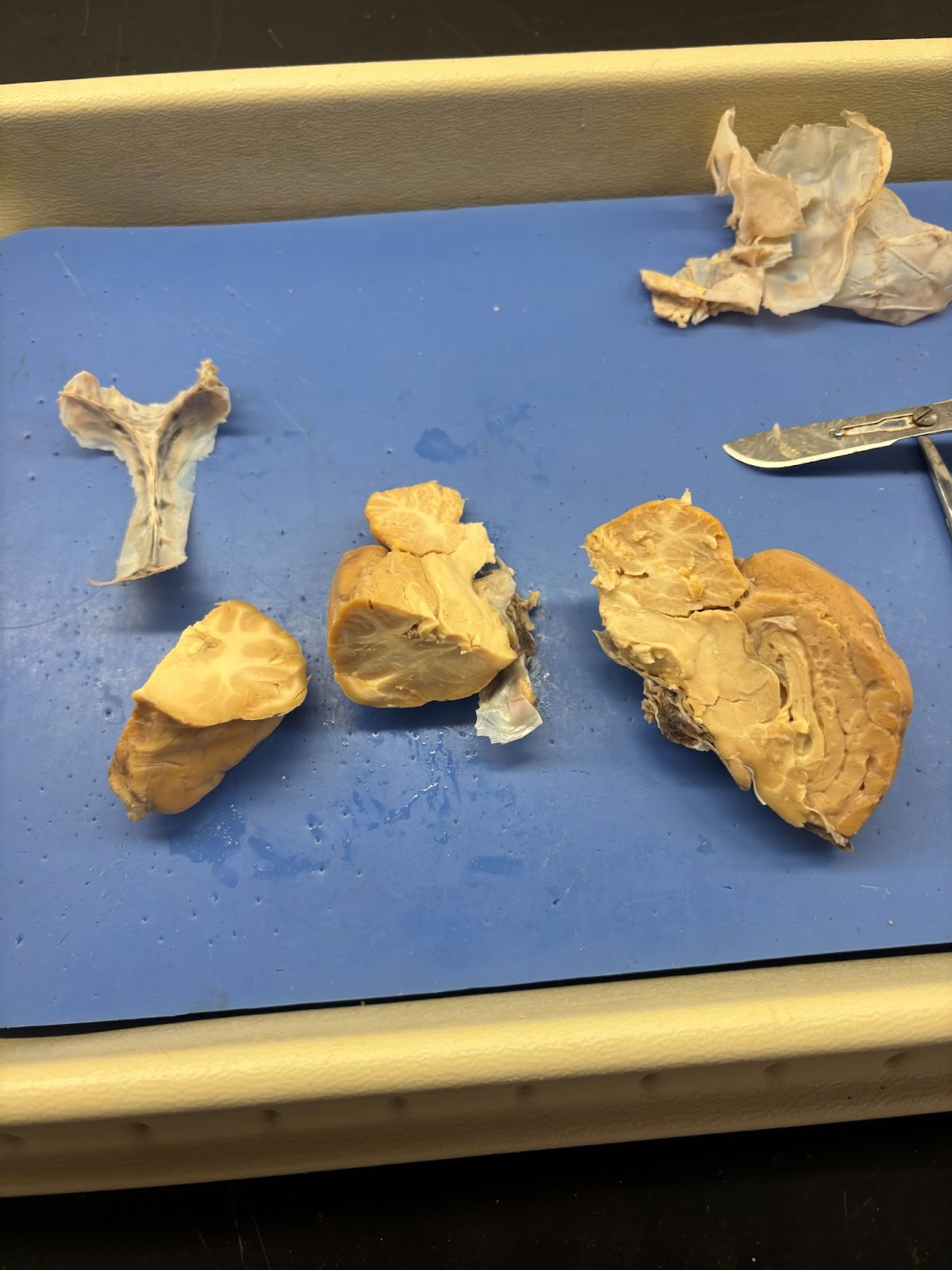
Dissection of the Internal Brain A longitudinal incision along the deep longitudinal fissure was made to examine the internal structures to separate the brain into the left and right hemispheres. This revealed:
Corpus Callosum The bundle of nerve fibers connecting the two cerebral hemispheres is crucial for communication between the brain’s halves.
Thalamus and Hypothalamus These structures were visible beneath the corpus callosum. The thalamus acts as a relay center for sensory signals, while the hypothalamus regulates vital bodily functions like temperature and hunger.
Pineal Gland and Third Ventricle The pineal gland, involved in regulating sleep cycles, was observed near the third ventricle, a cavity containing cerebrospinal fluid.
Conclusion Mr. Bradley’s Anatomy class successfully completed the sheep brain dissection, gaining a deeper understanding of the brain’s intricate design and functionality. This hands-on experience not only enhanced their knowledge but also sparked curiosity about the wonders of neuroscience.
Stay tuned for more exciting explorations in Anatomy from Mr. Bradley’s classroom! 

Wednesday, February 26, 2025

CHS Class Grows Lettuce for School Cafeteria

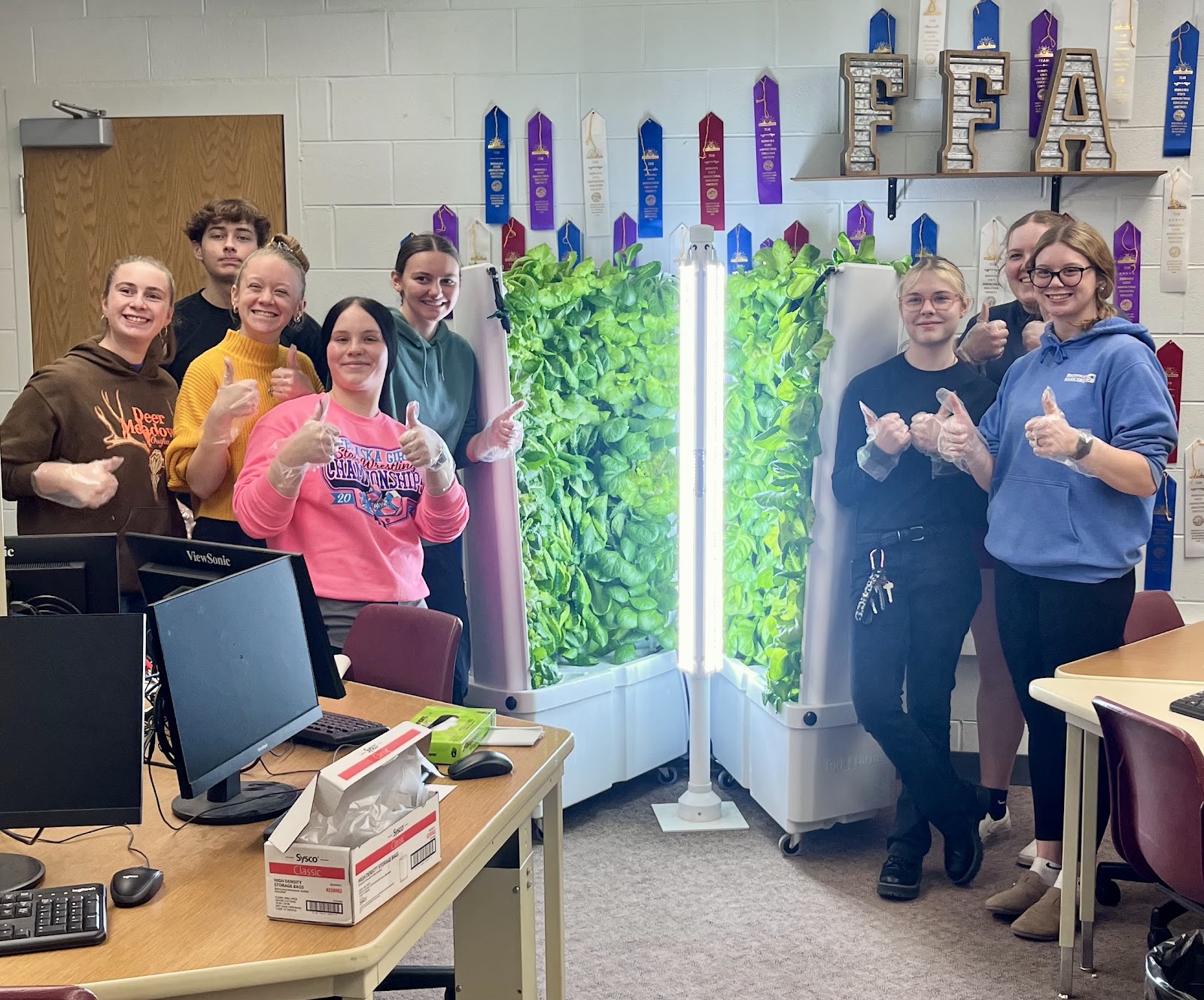
Big things are happening at Chadron High! This semester, students have the opportunity to dive into the all-new Nursery and Landscape Design course, an exciting addition to the curriculum. Taught by Ms. Koerber, this hands-on class offers an in-depth exploration of the world of plants, growing principles and landscaping. 

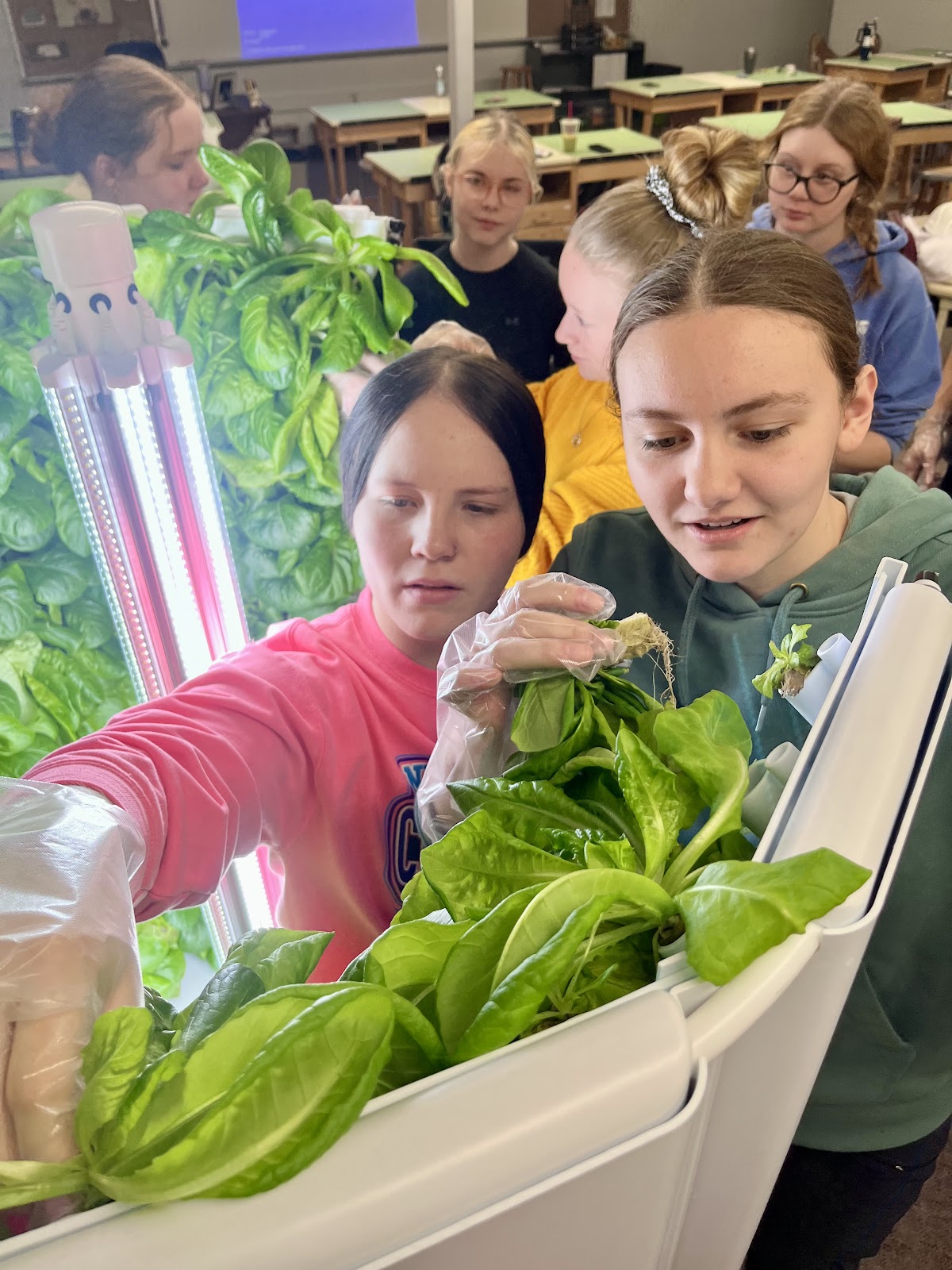
And what’s a new course without some cutting-edge equipment? Thanks to a generous grant, students are now working with a FarmForks Grow Tower, an innovative vertical hydroponic system designed to produce fresh, locally grown food for the school cafeteria. From day one, students rolled up their sleeves and got to work—assembling the tower from the ground up!

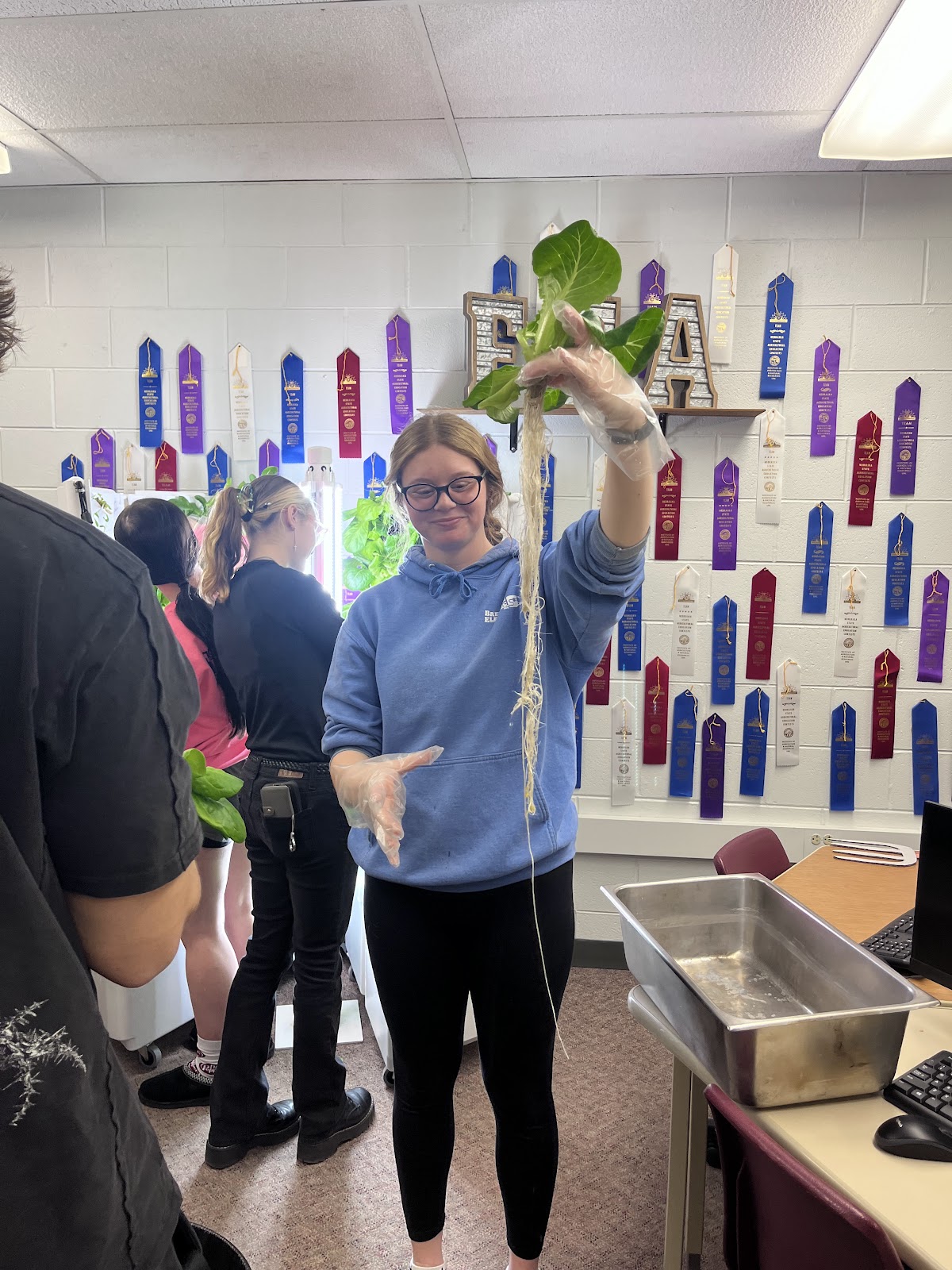
The project kicked off with students planting a variety of lettuce seeds into rockwool, a specialized growing medium. After two weeks of germination, it was time for the big move—all 288 plant plugs were carefully transferred into the grow tower. From there, students took on the responsibility of monitoring the system daily, checking pH levels, adjusting nutrients, and ensuring optimal growing conditions.

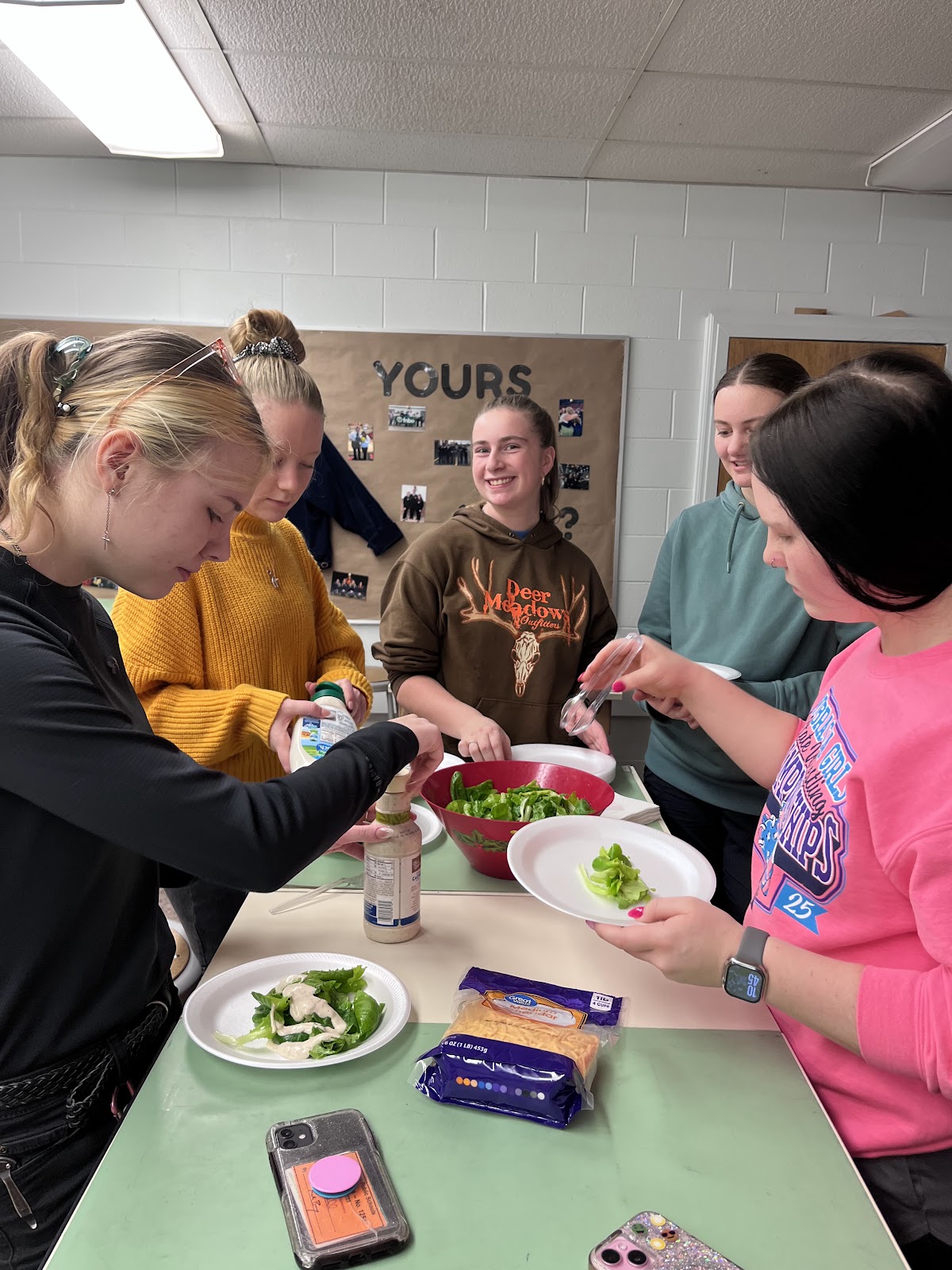
After just 28 days, the hard work paid off with a bountiful harvest! Students put their newly acquired knowledge of food safety and handling into action—washing hands, wearing gloves, sanitizing surfaces, and prepping their crop for the school cafeteria. The end result? Eight massive stainless-steel containers filled with crisp, fresh lettuce—grown right here at Chadron High!

Gillian Conway said this about the experience, “My favorite part of growing the lettuce was the harvesting process. Our class got the experience to harvest and wash it while also showing other teachers in the school. This became a fun experience for our class and we got to try it afterwards.”

Sarah Johndreau added, “My favorite part of growing the lettuce was coming into class everyday and watching it grow bigger. There was visible growth which made the entire process very exciting.”

This is just the beginning! We look forward to continuing this process and providing even more fresh produce for our school cafeteria. 


Thursday, February 13, 2025

Highway Safety Assembly, March 10th (Potentially Emotional Topics)

Parents/Guardians,

We are excited to announce that our school will be hosting an inspirational and empowering assembly featuring Cara Filler, a renowned Positive Decision Making Speaker, and Traffic Safety Specialist, on March 10th at 9:30am

About Cara Filler

Cara is a compelling speaker, author, and entrepreneur who has delivered over 2,500 assemblies, inspiring over 2 million young lives around the world. She draws from her personal experience of losing her identical twin sister in a motor vehicle collision the day after their 18th birthday. Cara's presentations are heartfelt, and often hilarious yet still focus on dealing with peer pressure, avoiding negative risks, and making everyday choices count- Why? Because it could just save a life.

Topics Covered

During the assembly, Cara will touch upon the following topics:

  • Speed & Reckless Driving
  • Distracted & Impaired Driving
  • Positive Choices & Healthy Mindset
  • Resiliency & Leadership

Supporting Our Students

We understand that the topics discussed in the assembly may be challenging for some students. We want to assure you that our school is committed to supporting our students' emotional well-being. If any student finds the content difficult to hear or needs to talk about their feelings, our school counseling team will be available to provide support. Additionally, we can have resources and materials available to help students process and discuss the assembly's content.

We believe that Cara Filler's presentation will have a lasting positive impact on our students, empowering them to make informed and positive decisions in their lives. We encourage you to talk with your child about the assembly and the important lessons Cara will share.

Thank you for your support in making this a meaningful event for our students.

Parent/Teacher Conferences, Feb. 13th 5:00-8:30


We hope to see you at conferences. Thursday evening, February 13 from 5:00-8:30 in the high school Commons area.  We'll have the Cardinal Coffee shop open during conferences.

Tuesday, February 11, 2025

Girls Wrestling Qualifies Three for State!


Congratulation to our Girls Wrestling Team and to our three state qualifiers!

  • Josey Werner - District Champion
  • Bristol Brado - District Runner Up
  • Vivian Golembiewski - District Runner Up